
The Calmness of Glade
Refined, Versatile, Complementary.
The Glade Range
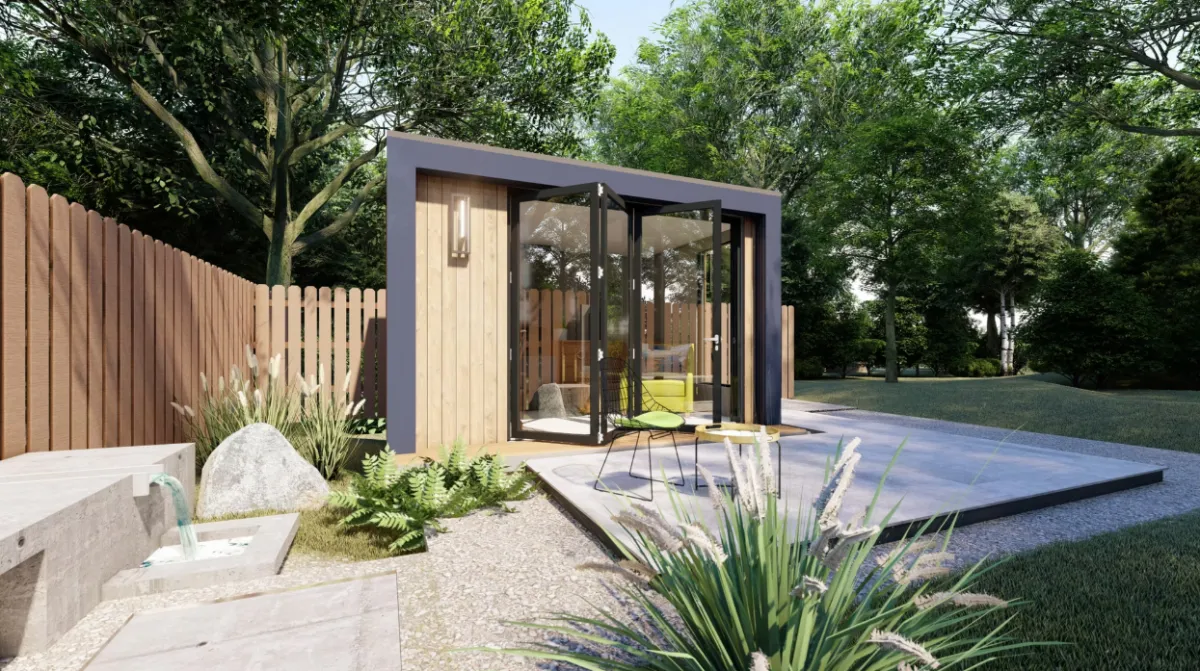
The Glade range is inspired by light-filled woodland structures — simple, refined forms that sit quietly within a garden rather than dominating it. The architecture focuses on clean lines, balanced proportions, and strong visual connections to the outdoors, often through generous glazing and carefully framed openings.
Glade designs are intended to feel calm, practical, and adaptable. They work particularly well in residential gardens where the building needs to complement planting, fencing, and existing architecture without becoming visually heavy. They are ideal for everyday uses such as home offices, studios, or children’s playrooms.
This range suits customers who value clarity, simplicity, and versatility — a space that feels considered and professional, but not over-designed. It’s a strong choice for first-time builders who want architectural confidence without unnecessary complexity.
Need Support With Materials or Installation??
When you purchase the Digital Kit, you can choose to activate our Supported Build option.
No obligation — use it as much or as little as you need.
Supplier pricing coordination
External materials pricing support (timber, panels, cladding)
Windows, doors & lighting sourcing guidance
Installer quotes arranged (where available)
Clear next steps to take your project from plan to build
Remarkable Quality; Remarkable Value
Remarkable Quality; Remarkable Value
Remarkable Quality; Remarkable Value
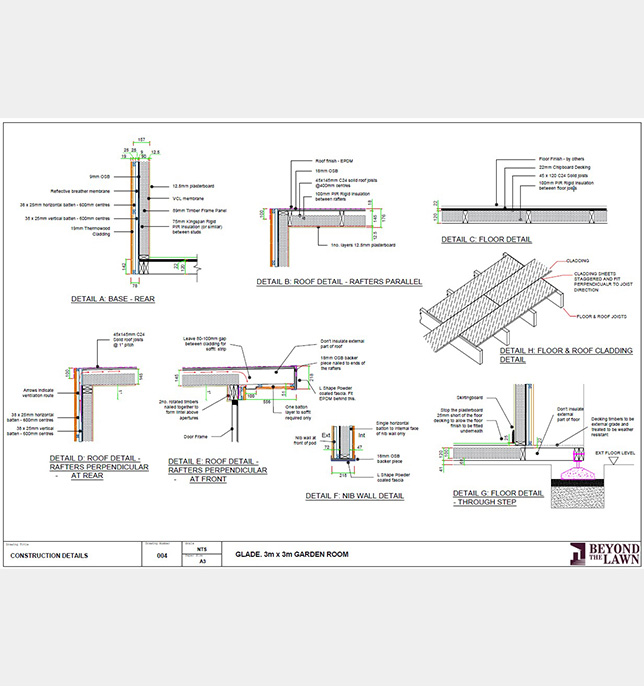
1. Thermowood cladding for superior durability and natural resistance to rot, decay and insects.
2. Integrated sheltered porch providing protection during wet weather.
3. Flexible side window placement to suit your garden layout.
Discover The Kit That's Your Best Fit
GladE 3x3
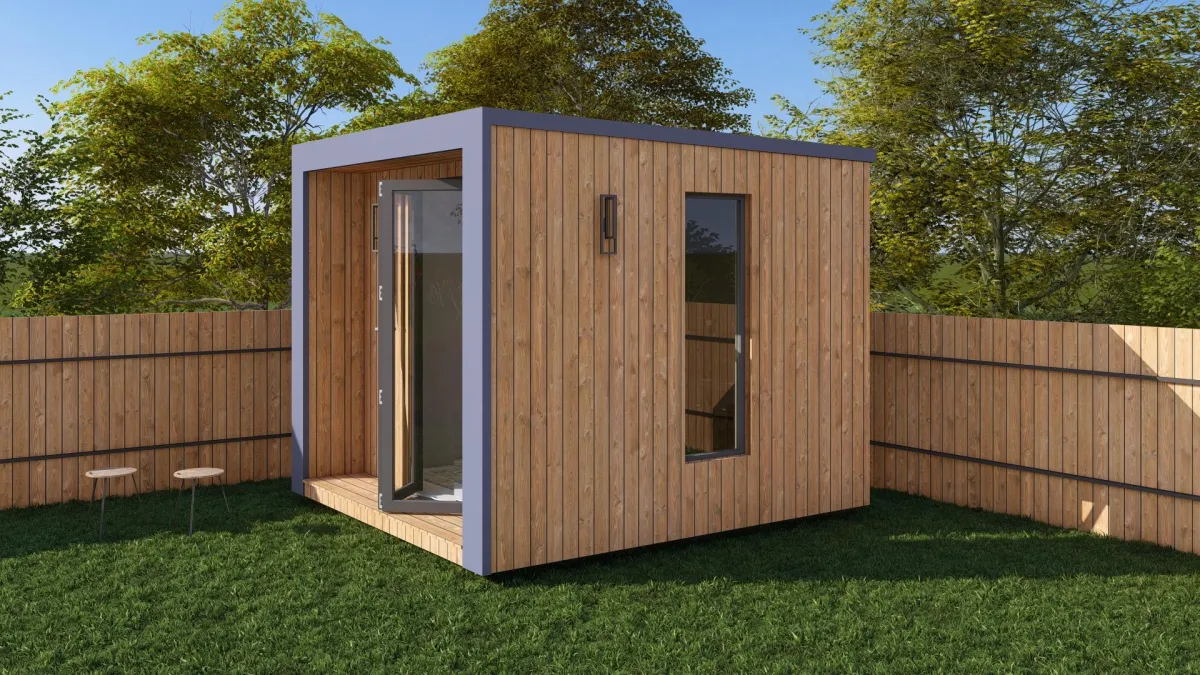
A 3 x 3 m garden room is best suited to single-purpose use. It works well as a home office, study, therapy room, or compact creative space where efficiency matters more than flexibility.
This size is ideal for smaller gardens, tighter planning constraints, or first-time builders who want to keep costs and build time under control.
It’s also the quickest to construct and easiest to heat, making it a popular entry point into garden room projects.
If you need a calm, dedicated space for focused work — without sacrificing too much garden — 3 x 3 m is often the most appropriate choice.
GladE 4x3

The 4 x 3 m footprint offers noticeably more flexibility while remaining compact and economical. The additional length allows for better furniture layouts, storage zones, or dual uses — for example, a workspace combined with seating or a daybed.
This size suits customers who want breathing space without stepping into large-scale construction. It works well for hybrid uses such as office + studio, or gym + recovery space, and feels less restrictive over long-term use.
For many homeowners, 4 x 3 m represents the sweet spot between cost, usability, and future-proofing.
GladE 6x3
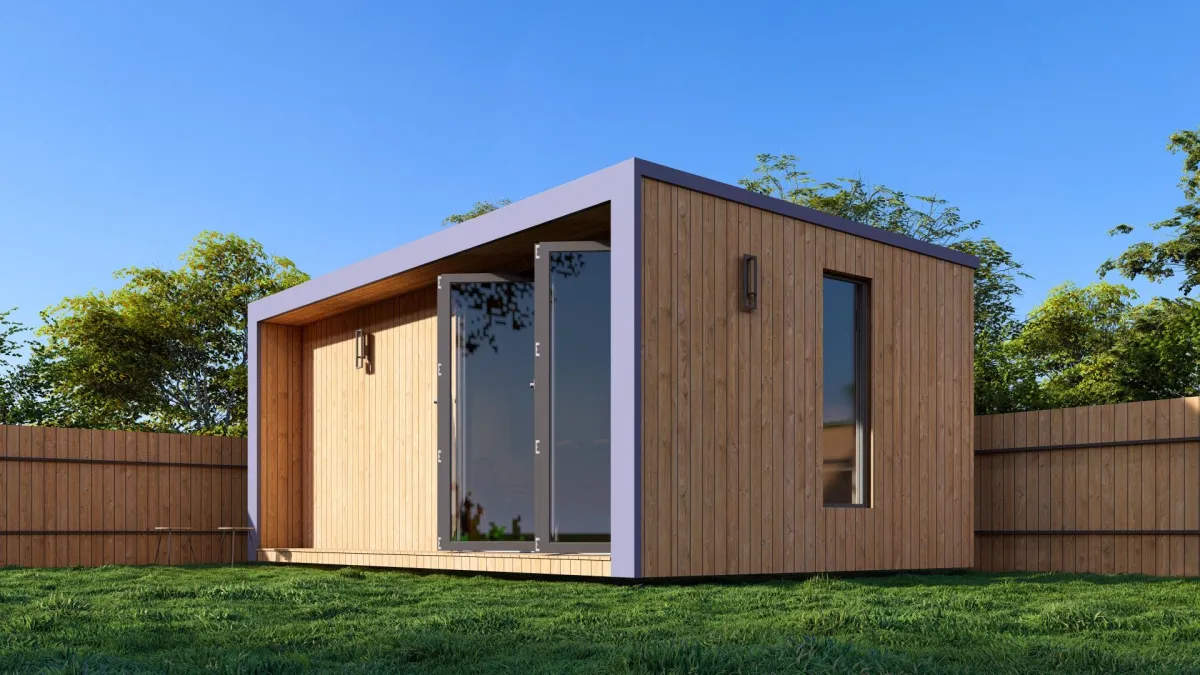
A 6 x 4 m garden room is a substantial building, suited to customers who want a truly multi-functional space. This footprint allows for clear internal zoning — work, relaxation, storage, or even small meeting areas — without compromise.
Larger sizes like this are ideal where the garden room is intended to replace internal living space, support a business, or support hobbies with a large space requirement. They also lend themselves well to higher specification finishes and long-term occupation.
If flexibility, comfort, and longevity are priorities — and garden space allows — 6 x 4 m delivers the most architectural and functional freedom.

Inspiration
Our collection
Our “Rare Forests” collection is inspired by the idea that every forest has its own story — shaped by climate, soil, and time — and that these natural environments deserve to be honoured and preserved.
By designing garden rooms entirely from sustainable timber, we’re capturing the essence of these remarkable landscapes and translating it into warm, calming, and enduring spaces.
Each structure becomes a quiet tribute to the forests that inspire it — a place to slow down, follow passions, find new calmer spaces, and appreciate the beauty of materials sourced with intention and respect.
Coming soon..
Daintree
avaloria
grove
Testimonials
The Timber Design Studio
Amar Litt

"Excellent quality work, extremely responsive, and genuinely easy to deal with. What more do you want?"
Ella Thompson
"Luke and the team made the whole process so simple. Every change I wanted was handled without fuss, and the installers even said it was one of the best designs they’d ever worked with."
Gareth Lloyd
"We’ve worked with TTDS/Beyond The Lawn for years, and they always deliver – detail-driven, easy to work with, and spot-on when deadlines are tight. They’ve been fundamental to the success of several of our projects."
Have questions?
Frequently asked questions
Do I need planning permission for a garden room in the UK?
Most garden rooms in the UK fall under Permitted Development Rights and don’t require planning permission — provided they meet certain height and placement rules (for example, not exceeding 2.5m high if within 2m of a boundary). Our garden rooms are all designed to not need planning permission, being under 2.5m. However, larger structures or those intended for full-time living may require permission. Always check with your local planning authority before you start.
How much does it cost to build a timber garden room in 2025?
Costs can vary depending on size, specification, and finish. As a guide, a self-build timber garden room in 2025 typically ranges from £8,000–£25,000, including materials. Premium finishes, insulation upgrades, and bespoke designs may increase this.
Can I customise the size and layout of my timber frame kit?
We have an ever growing range of downloadable kits with an aim to have a design to suit anyone's need. However, our kits are designed to be flexible and with our ‘bespoke’ option you can adjust dimensions, wall placements, and door/window configurations to suit your garden and purpose. We can also create fully bespoke layouts upon request.
Is insulation included in your garden room kits?
Yes – all our kits are designed to include 70–90mm PIR insulation, a high-performance rigid board that meets industry standards and provides excellent thermal efficiency. If you’re working to a specific budget, our construction guide also outlines more cost-effective alternatives to help you find the right balance between performance and price.
What’s included in the Beyond The Lawn digital kit?
The digital kit includes full construction layout drawings, 3D visualisations, fabrication drawings, build program template, cut lists, and material schedules — plus a step-by-step assembly guide. We also offer sourcing recommendations for local material suppliers and installers.
Can I install the garden room myself or do I need a contractor?
Our kits are designed specifically with self-builders and confident DIYers in mind. Each one comes with detailed step-by-step instructions, 3D diagrams, and full material lists, making the process straightforward even if you’ve never taken on a project of this scale before. Many of our customers enjoy the satisfaction of building their own garden room — saving thousands on labour while learning valuable skills along the way. If you’d rather leave the hard work to the pros, we can also connect you with trusted local installers who are familiar with our system and can take the project from start to finish.
Do your kits comply with UK building regulations?
Yes — our designs follow key principles of UK Building Regulations for structural integrity, insulation, and ventilation. If your build exceeds the permitted size or is used as habitable accommodation, additional checks may be needed.
How long does it take to build a garden room from your kit?
A standard single-room build typically takes 5–10 days for a DIY assembly, depending on weather and experience. Professional builders can often complete it faster.
Where do you deliver your garden room kits in the UK?
All our kits are supplied digitally, giving you instant access to your plans, drawings, and material specifications once you order. We don’t ship physical kits, but we do offer an additional service supplying recommendations for local timber suppliers and experienced installers throughout the UK — making it easy to source materials and complete your build wherever you’re based.
What kind of foundations are required for a timber garden room?
Our kits are designed to work best with concrete pad systems like Easypad or Swiftplinth, providing a quick, level, and durable base with minimal groundwork. We do also cover alternative foundation options such as ground screws, blocks and concrete slabs in the guidebook, so you can choose what suits your site and budget.

128, City Road, London, EC1V 2NX, UNITED KINGDOM
Copyright © 2026 The Timber Design Studio | United Kingdom (UK)

